
Section 1
Why is Harley Street associated with medicine?
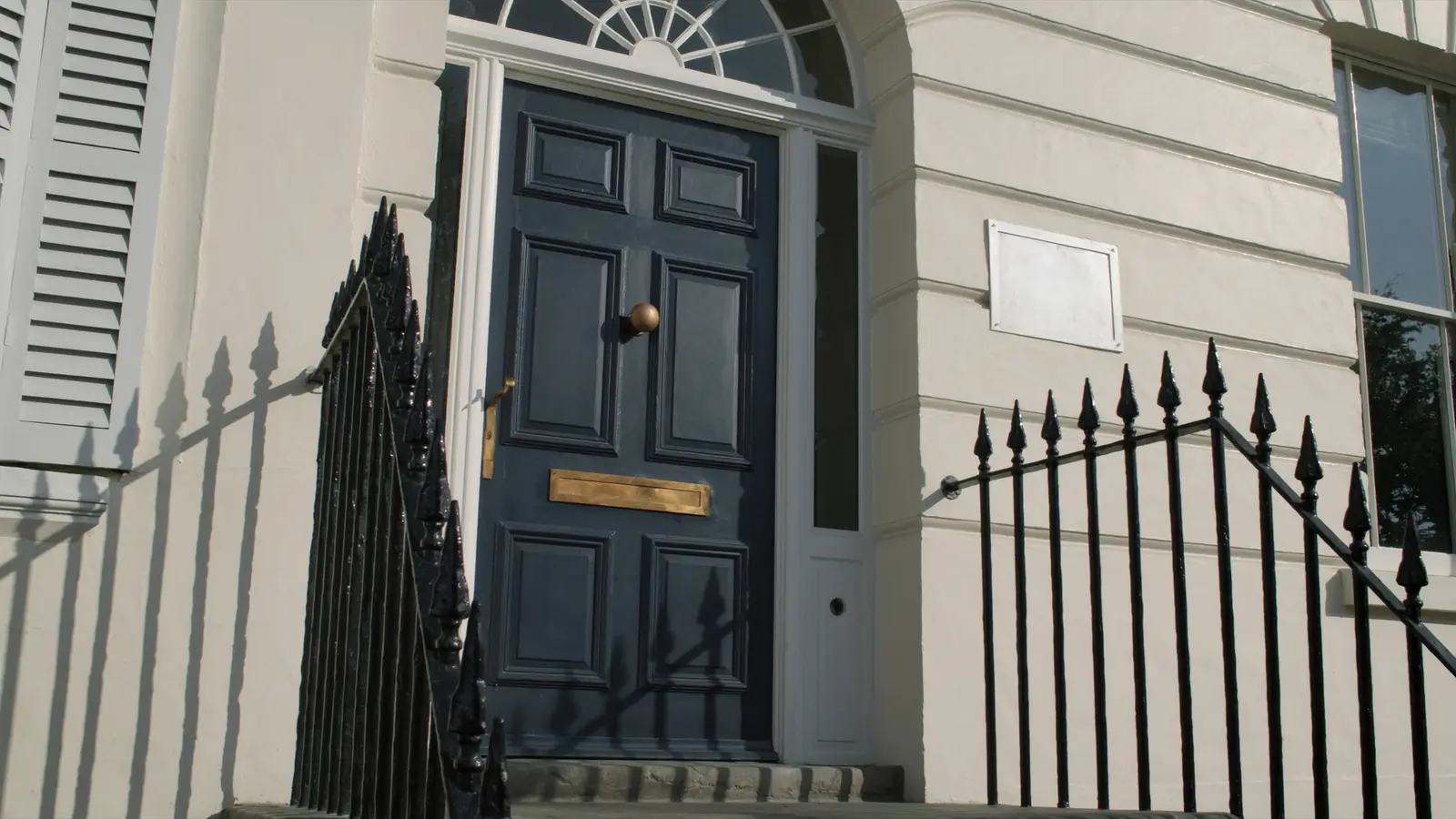
Harley Street and the surrounding streets in Marylebone have been a centre of private medicine since the 19th century. Many highly respected specialists practise there, and the name has become shorthand for private healthcare in London.
That reputation is real, and it is the reason the address is valuable in marketing. It is also the reason it is worth understanding what the address does and does not guarantee.
Section 2
What does the address actually tell you?
It tells you the clinic, or at least some of its consultations, are in central London, and that its overheads are probably high, which is often reflected in the price. It does not tell you who will perform your procedure, how the clinic is regulated, or whether the procedure itself takes place at that address.
Many buildings in the area let consulting rooms by the session or by the day, so the name on the door may be one of several practices using the same room, and a clinic may consult on Harley Street but operate somewhere else.
Section 3
How do you check a Harley Street clinic properly?
Treat it exactly as you would a clinic anywhere else.
- Ask where the procedure will be performed, not only where you will be consulted.
- Check that exact address on the CQC register.
- Check the responsible doctor on the GMC register.
- Ask who performs each stage of the procedure.
- Compare the full written quote with clinics elsewhere.
Section 4
Is it worth paying more for Harley Street?
Sometimes. If a Harley Street clinic offers a surgeon you particularly trust, easier access for you, or better aftercare, the extra cost may be worth it. If the only difference is the postcode, it probably is not.
Excellent hair transplant surgeons work across London and the rest of the UK. The questions that separate good clinics from weak ones are the same wherever the door is.