
Section 1
The first few days after treatment
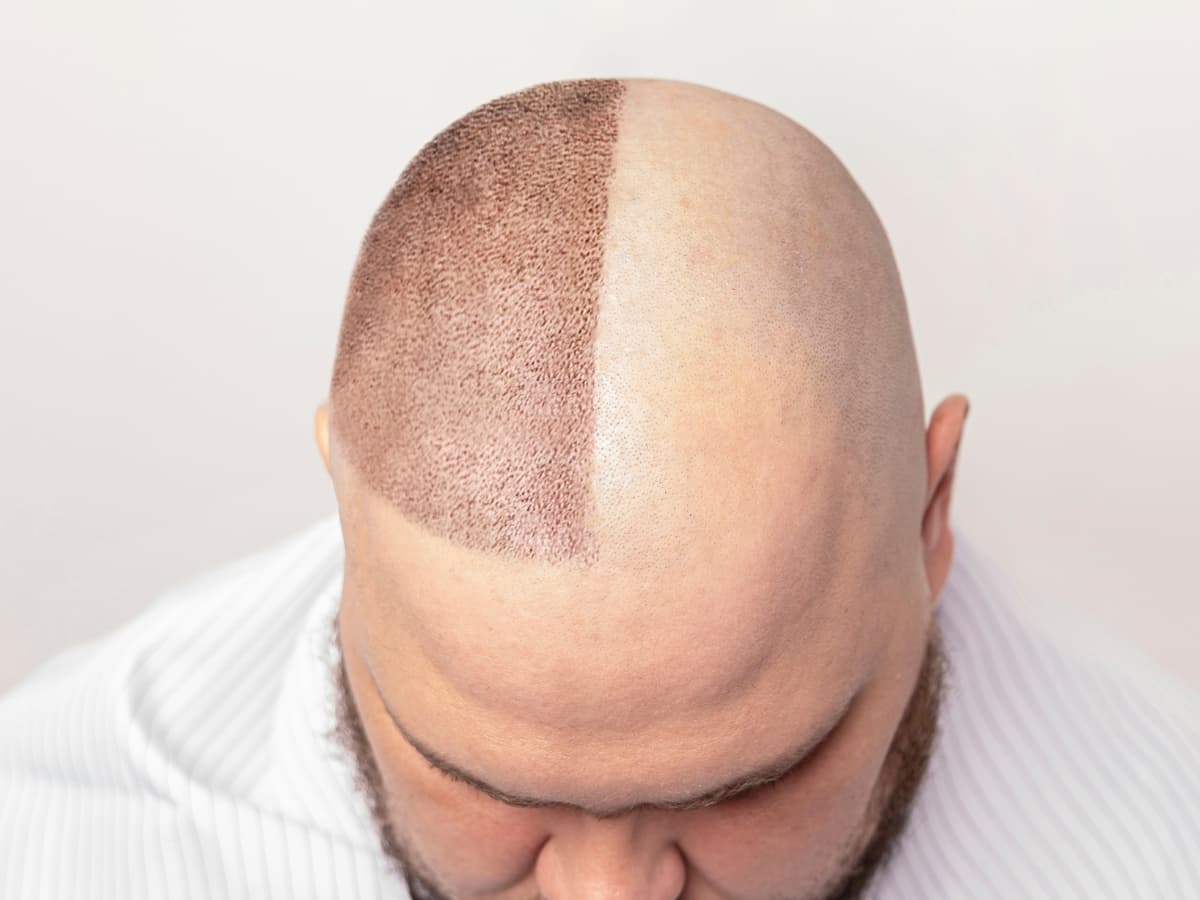
The earliest stage of recovery usually focuses on protecting the grafts, managing swelling if it occurs, and following washing instructions carefully. Patients may also notice tenderness, redness, or a tight feeling around the treated area.
This stage is mainly about healing rather than appearance. A good provider should explain how to sleep, wash, and return gradually to normal activity.
Section 2
What often happens in the first two weeks
In the first one to two weeks, scabbing and crusting usually become a bigger concern for patients than long-term growth. This is also the period when washing guidance matters most.
By the end of this phase, many patients are mainly looking for confirmation that healing is progressing normally and that the grafted area is settling as expected.
Section 3
Why shedding can worry patients unnecessarily
The shedding phase often surprises patients who expected immediate visible improvement. In reality, temporary shedding after transplant is a commonly discussed part of the process and does not by itself mean the treatment has failed.
This is one of the reasons recovery should be explained in advance. Patients are usually calmer when they know which changes are expected and when the longer regrowth phase begins.
Section 4
When patients usually start looking for regrowth
Later recovery is slower and less dramatic day to day. Visible regrowth tends to be judged over months rather than weeks, and density maturation continues gradually rather than all at once.
That is why realistic timing matters. The most useful recovery guidance explains not only when hair may return, but when patients usually have enough change to start judging shape, coverage, and density more meaningfully.